
Home Additions & Expansion Services in Nashville, TN
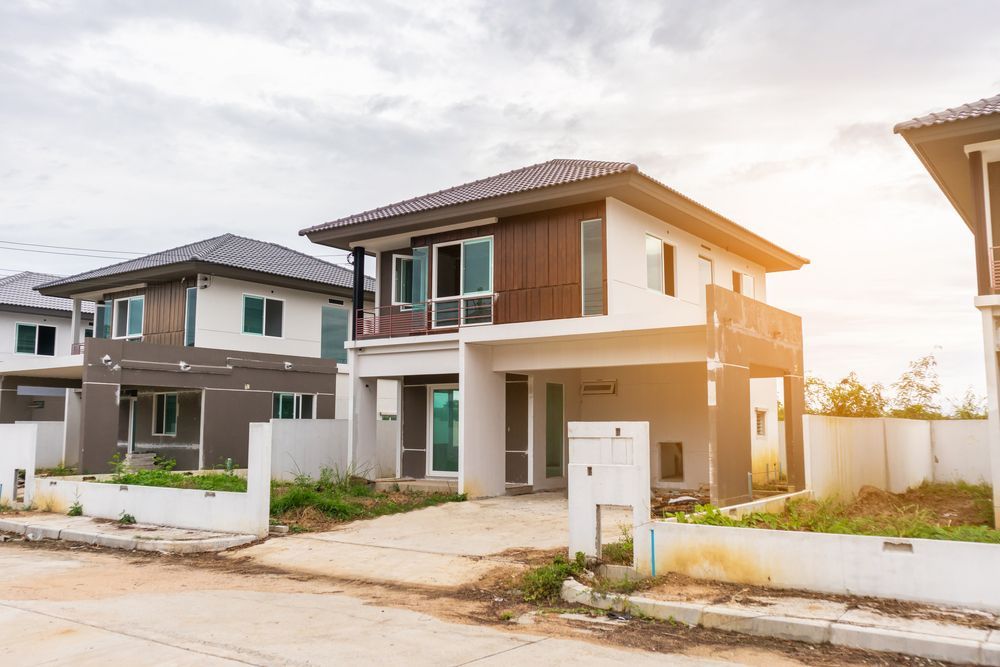
Home additions in Nashville, TN have become increasingly common as homeowners seek to expand living space without relocating in a competitive housing market. Music City Modern Renovations provides comprehensive home addition and expansion services designed to increase square footage, improve functionality, and adapt homes to evolving needs. Whether adding a new bedroom, building upward with a second story, or creating a private suite for extended family, additions require careful structural planning, zoning compliance, and seamless integration with the existing home.
Nashville’s diverse housing stock includes older properties with limited layouts as well as newer homes that may lack specialized spaces. Expansion projects allow homeowners to remain in established neighborhoods while accommodating growing households, remote work requirements, or multi-generational living arrangements. Each addition must align with the architectural style of the residence while meeting modern construction standards and local building regulations.
Room Additions and Ground-Level Expansion
Room additions are among the most common expansion projects, extending the home’s footprint to create new functional areas. These additions can be attached to the rear, side, or front of the structure depending on lot configuration and zoning restrictions.
Bedroom and Living Space Additions
Additional bedrooms, family rooms, or home offices can relieve overcrowding and improve privacy within the household. Ground-level expansions often include new foundations, exterior walls, roofing, insulation, and interior finishes that match or complement the original structure. Proper integration ensures the addition feels like a natural extension rather than a separate structure.
Kitchen and Dining Area Expansion
Some room additions focus on enlarging existing kitchens or dining spaces to support modern layouts. Expanding these areas may involve removing exterior walls, extending utilities, and reinforcing structural components. This type of project is particularly common in older Nashville homes where kitchens were originally designed as small, enclosed rooms.
Second-Story Additions and Vertical Expansion
When lot size limits horizontal expansion, building upward provides an alternative method for increasing square footage. Second-story additions significantly alter the structure of the home and require advanced engineering and construction techniques.
Structural Reinforcement and Load Considerations
Before adding a second level, the existing foundation and framing must be evaluated to ensure they can support additional weight. Reinforcements may include strengthening walls, installing new support beams, or modifying the foundation. These measures are essential for maintaining long-term structural stability.
New Upper-Level Living Areas
Second-story expansions can accommodate multiple rooms such as bedrooms, bathrooms, offices, or recreational spaces. Staircase installation is a key component, requiring careful placement to maintain efficient circulation within the home. Exterior finishes are typically designed to match the original façade to preserve visual continuity.
In-Law Suites and Accessory Living Spaces
Multi-generational living arrangements are increasingly common in Nashville, driving demand for self-contained suites within or adjacent to existing homes. In-law suites provide privacy while maintaining proximity to the main residence.
Independent Living Facilities
These suites often include a bedroom, bathroom, small kitchen or kitchenette, and living area. Separate entrances may be incorporated to allow occupants independent access. Proper sound insulation and utility connections are important for maintaining comfort and functionality.
Adaptation for Long-Term Occupancy
In-law suites may be designed for aging family members, adult children, or extended guests. Accessibility features such as step-free entry, wider doorways, and accessible bathrooms can be integrated to accommodate diverse needs. Local zoning regulations may influence design decisions, particularly when creating fully independent living units.
Garage Additions and Conversions
Garage expansions provide both vehicle storage and additional usable space. Projects may involve constructing a new detached structure, enlarging an existing garage, or converting garage space into living areas.
Attached and Detached Garage Construction
New garages can be designed to match the architectural style of the home while providing practical storage for vehicles, tools, and equipment. Attached garages offer direct access to the residence, while detached structures may be placed elsewhere on the property to optimize space usage.
Conversion to Functional Living Space
In some cases, existing garages are converted into bedrooms, studios, or recreational rooms. Conversion projects require insulation upgrades, new flooring, electrical systems, and climate control to transform the space into habitable living quarters.
Sunrooms and Enclosed Outdoor Spaces
Sunrooms provide a transitional space between indoor and outdoor environments, allowing homeowners to enjoy natural light while remaining protected from weather conditions.
Four-Season and Three-Season Rooms
Four-season sunrooms are designed for year-round use with full insulation, heating, and cooling systems. Three-season rooms typically offer protection from insects and moderate weather but may not be fully climate controlled. Both options extend living space while maintaining a strong connection to the outdoors.
Integration with Existing Structure
Sunroom additions must be carefully connected to the home’s foundation, roofline, and exterior finishes to prevent leaks and structural issues. Large windows, glass panels, and durable framing materials are commonly used to maximize light and visibility.
Planning, Permitting, and Construction Coordination
Home additions involve complex planning processes to ensure compliance with local building codes, zoning regulations, and neighborhood requirements in Nashville.
Site Evaluation and Design Development
Before construction begins, factors such as property boundaries, setback requirements, drainage, and utility connections must be assessed. Detailed design plans outline the size, layout, and structural components of the addition, ensuring feasibility and regulatory compliance.
Construction Phasing and Integration
Building an addition while the home remains occupied requires careful scheduling and coordination. Work may be phased to minimize disruption and maintain safety. Once structural work is complete, interior finishes are installed to match or complement existing spaces, creating a seamless transition between old and new areas.
Music City Modern Renovations provides comprehensive home addition and expansion services throughout Nashville, TN, helping homeowners increase living space while preserving the character and functionality of their properties. From ground-level room additions to multi-story expansions and specialized living suites, each project is designed to integrate seamlessly with the existing home and support long-term residential needs.